Introduction
We all get constipated from time to time which may lead to feelings of bloating, discomfort and lethargy. It typically occurs when you have fewer bowel movements or when stools are dry, hard and hard to pass. Although your diet actually has a more significant impact on your digestive system(5).
Your diet impacts your gut health, digestion and how regularly you pass stools. There are foods that aid the digestive process by increasing fiber and gut motility and others that make it more sluggish. This is why it’s important to know which foods to avoid when you’re constipated, in order to keep the digestive track in good shape.
Common low fiber foods, processed foods and high fat foods are amongst the foods that may trigger constipation by slowing down the time it takes for food to move through your digestive tract and making your stool drier. These foods can also alter your gut microbiome, causing even slower transit time.
In this article, you will discover how some foods cause constipation, what foods to avoid when you’re constipated and how eliminating them can make your digestive system healthier and improve gut health also.

7 Worst Foods to Avoid When You’re Constipated
1) Low-Fiber Foods
Poor digestion and constipation are often the result of eating low-fiber foods. Fiber is vital for healthy digestion as it bulk up stools, softens them and makes them easier to pass(3). Without sufficient fiber in your diet, your bowel movements slow down and may become constipated.
Refined and processed foods are among the foods low in fiber and one of the worst foods to avoid when you’re constipated(2). This includes white bread, rice and pasta, biscuits, cakes and many processed snacks. During processing, most of their fiber is stripped away, so they can’t help your digestion or keep stools soft.
Low-fiber diets can also impact your gut microbiome – the good bacteria found in your gut. These need fiber to survive. Without this food, digestion slows down which can lead to constipation and bloating.
2) Dairy Products
Milk, cheese, yogurt and ice cream are staple in many diets, but they can be digested differently by individuals. For some people who are sensitive to dairy can face the problem of slow digestion which leads to constipation.
This may be because dairy products have no fiber. So it’s also one of the foods to avoid when you’re constipated. Fiber is important for bowel function as it adds bulk to stools and softens them. Without fiber, excessive dairy consumption intake can result in drier stools and constipation.
The other consideration is lactose intolerance. Lactose, the natural sugar in milk, can’t be digested by people who don’t have enough lactase, an enzyme that digests lactose. This can lead to bloating, flatulence and occasionally constipation.
Worst Foods to avoid when you’re constipated includes dairy products because dairy products are high in fats, such as full-fat milk, cheese and cream can also slow digestion. Fat is slower to digest, which can slow down the motility (the muscle contractions) of the gut and slow down the passage of food through the intestines. This can make you feel weighed down and slow down bowel movements(2)(4).

3) Fast Foods And Processed Foods
These foods are major culprits of constipation and are on the top in list of foods to avoid when you’re constipated, because they are typically low in fiber and high in unhealthy fats, sodium and additives. They may be quick and delicious but they do not promote good digestion and bowel function.
The majority of processed foods like snacks, noodles, frozen dinners, chips and bakery products are processed from refined grain products which have had their fiber removed. When you do not eat sufficient fiber your stool does not get the bulk it needs and this makes it difficult to pass and causes constipation.
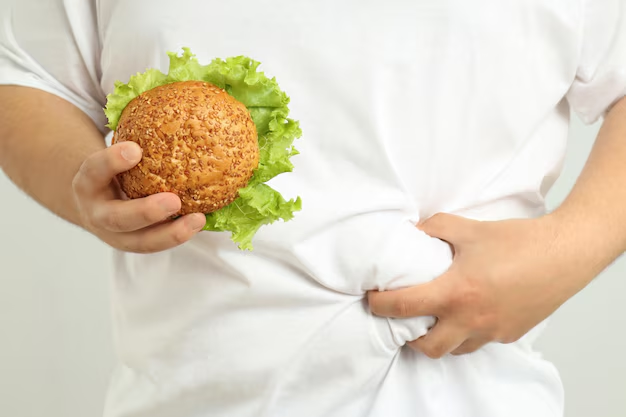
Junk foods, such as hamburgers, chips, pizza and fried chicken also contain a lot of fat. Fat is harder to digest and this slows down the movement of food through your bowels and keeps food in the digestive tract longer. This can result in bloating, feelings of fullness and constipation.
The other reason of counting junk food in the list of foods to avoid when you’re constipated is the additives and preservatives found in processed foods. These can have a negative impact on the beneficial bacteria in your gut that helps digestion and bowel function. This slows down and makes digestion less efficient. So, to treat bloating and constipation, you’ve to reduce the intake of such foods and start eating fiber-enriched foods.
4) Fried And Greasy Foods
Another category of food in the list of foods to avoid when you’re constipated includes greasy and fried foods. These are a common cause of constipation as they are heavy, low in fiber and difficult to digest. Examples of fried and greasy foods include french fries, fried chicken, samosas, pakoras and other fried snacks. This delays the passage of food through your digestive tract which can result in constipation.
The main issue with fried food is the large amount of fat it contains. Fat takes more time to digest so your digestive system is slower at getting rid of waste. Slow digestion can lead to stools moving more slowly through the intestines, which can cause stools to dry out. This makes it harder and more painful to pass stools.
Fats can also be found in fried and greasy foods and so are low in fiber. Consuming excessive amounts of fried foods can also result in bloating, fullness and prolonged satiety. And eating too many of these foods over time can also lead to poor digestion and constipation(4).

5) Unripe Bananas And Some Fruits
Fruits are considered to be extremely healthy when it comes to digestion but some fruits can have an adverse effect on the digestive system so these can count in the list of foods to avoid when you’re constipated. Eating large amounts of some fruits, particularly unripe bananas can actually exacerbate constipation.
Resistant starch is a type of starch found in unripe bananas that is more difficult to digest. It is harder to digest and can slow the transit of food down the gut. This can make stools drier and more difficult to pass.
When bananas ripen, the starch turns to sugars. Ripe bananas may be easier to digest and may be helpful for constipation. For this reason, ripeness of the fruit is a crucial factor when it comes to constipation.
Besides bananas, several other fruits may also have a varying effect on digestion and it all depends on how and in what quantity they are consumed. Some fruits are low in water and when consumed without adequate fiber intake (in the whole diet) may cause bloating or indigestion in some individuals. This is the reason some fruits are also in the list of foods to avoid when you’re constipated because they can worsen the condition.
Fruits are good for gut health but unripe bananas and some fruits with low digestibility can also slow down digestion and aggravate constipation. Ripe, fibrous and juicy fruits can help promote regularity.

6) Caffeinated And Sweet Drinks
In the list of foods to avoid when you’re constipated includes another factor that can contribute to constipation is excessive amounts of caffeinated and sugary beverages. Tea, coffee, soft drinks, energy drinks and commercial juices can be refreshing, but these beverages can have a negative impact on your digestive system and constipation.
Caffeine is a stimulant, but can also be dehydrating if consumed in excess. And dehydration causes your body to absorb more water from stool in the bowel. This results in drier, harder stool that’s more difficult to pass and can lead to constipation.
Soft drinks, sports drinks and energy drinks can also disrupt your digestive system. Eating a lot of sugar can change the balance of good gut bacteria, which help your digestion. This can lead to constipation(2)(4).
The other problem is that these beverages replace other more nutritious drinks, such as water. This means that if you are not drinking enough fluids during the day your gut does not have sufficient fluid to keep stools soft. This may slow down the digestive system. So, for the sake of your health you should try to control sugar cravings and cut sugar from your diet.

7) Alcohol
Alcohol is not specified as food but is also in the list of foods to avoid when you’re constipated because it can have a significant effect on bowel functions including constipation. While beer, wine and others might help you feel calm and relaxed but they can slow down your digestive processes and make it harder to have a bowel movement.
A key factor in alcohol causing constipation is dehydration. When you drink alcohol, it makes you pee more which can dehydrate you. And when your body is dehydrated it absorbs water from the stool in your bowel. This makes your stools drier, harder and more constipated.
Alcohol also slows down the movement of the gut. It changes the normal contraction of the gut, so food may take longer to move through the gut. This can lead to constipation and bloating.
Furthermore, alcohol is frequently paired with foods low in fiber, such as chips and fried potato chips, processed meats and fast food and these are the foods to avoid when you’re constipated. This can compound poor digestion as there is insufficient fiber to aid bowel function.
Binding Food (BRAT Diet)
Certain foods are referred to as “binding food“, which means they can make the stools slower and sometimes more difficult to pass. You may hear these foods are sometimes recommended in certain circumstances, for example when someone has diarrhea, but if eaten in large quantities or at the wrong time they can cause constipation.
The BRAT diet is a good example, containing bananas, rice, applesauce and toast. These foods are bland and easy to digest which is why they are often suggested to help those with an upset stomach. But most of these foods are the foods to avoid when you’re constipated because these are low in fiber and can constipate you if you eat them regularly.
For instance, rice, particularly white rice is low in fiber and can contribute to constipation. Likewise, toast containing white bread is low in fiber and may not help to promote bowel movements. Applesauce, especially if not made with the skin, may also be low on fiber.
The effect of bananas varies with ripeness. Green bananas can slow down digestion because of resistant starch, but ripe bananas are easily digested. But they can cause constipation when consumed in large quantities without other sources of dietary fiber.
The downside of eating too many of these foods is that they are low in fiber and water, which both contribute to stool movement. Consuming too many of these “binding” foods and not enough fiber-rich foods such as vegetables, legumes and grains can lead to constipation in the long term.
BRAT diet can be helpful in some circumstances, but when consumed too frequently, they can slow down digestion and make stools drier. You need to counterbalance them with foods high in fiber and liquids to keep your stools soft. Otherwise it would be count in the foods to avoid when you’re constipated.
Conclusion
What you eat can play a significant role in constipation. Often, it’s not just the quantity of food and water you consume, but the quality. Knowing what foods to avoid when you’re constipated can help improve your digestion.
Foods that are low in fiber, high in fat, highly processed or dehydrating foods you eat, can slow down the movement of the gut and make stools more difficult to move(4). Examples of such foods to avoid when you’re constipated and such drinks include fast food, chips, dairy products, sugary beverages and some fruits such as unripe bananas. They limit fiber consumption and slow down digestion, causing abdominal discomfort, bloating and constipation.
After understanding about the foods to avoid when you’re constipated, by adopting a healthy diet with fewer of these foods and more of fiber-rich and hydrating foods and drinks can help improve your digestion(3). By including more fruits, vegetables, grains and water, you can improve your bowel health over time(1).
Eating a well-balanced diet with plenty of fiber and avoiding foods that cause constipation, will help you pass stools easily, improve your digestion and make you feel leaner and healthier.
Frequently Asked Questions (FAQs)
Q1. What foods to avoid when you’re constipated?
The most common foods that should be avoided with constipation are low-fiber foods (white bread and rice), processed and fast food, fried and greasy foods, full-fat dairy, sugary beverages and unripe bananas. They slow down digestion and make stools drier.
Q2. How do low-fiber foods cause constipation?
They don’t provide enough bulk to stools, making stools more difficult to pass. This slows down digestion and makes stools dry, hard and painful to pass.
Q3. Does milk make you constipated?
Yes, dairy products such as milk, cheese and ice cream can lead to constipation. This is most likely if lactose intolerant or if eating mainly high-fat dairy products with a low fiber diet.
Q4. Can you eat bananas if you have constipation?
It depends on the ripeness. Ripe bananas are good for digestion, but unripe bananas have resistant starch, which is difficult to digest and can cause constipation in some people.
Q5. What are the effects of fast foods?
Fast foods are typically low in fiber and high in fat, which can slow down the digestive process. This may result in slow bowel movement, bloating and dry stools, which can cause constipation. That’s why experts recommend these foods to avoid when you’re constipated.
Q6. Will coffee and tea make someone constipated?
Small amounts of caffeine can help some people pass stools, but too much can cause dehydration. This can lead to stools that are more difficult to pass, causing constipation.
Q7. What foods can I eat to quickly treat constipation?
To treat constipation, include more fiber-rich foods, plenty of water, some fruits such as papaya and apples and foods to avoid when you’re constipated are processed and fried foods. Regular, gentle exercise also improves bowel movement.
References
- https://link.springer.com/article/10.1186/s12876-024-03515-1
- https://link.springer.com/article/10.1186/s12889-022-14360-w#Sec13
- https://www.sciencedirect.com/science/article/pii/S2667268523000463
- https://onlinelibrary.wiley.com/doi/full/10.1002/fsn3.3914
- https://onlinelibrary.wiley.com/doi/full/10.1111/jhn.70201
Discover more from Health And Nutrition
Subscribe to get the latest posts sent to your email.

